
Information Technology and the Environment

Archana K M, Assistant Professor, Department of Computer Applications, DCSMAT, Vagamon

Introduction

Since it has revolutionized communication, work, and education, information technology (IT) has become a necessary component of contemporary life.  Its fast rise is accompanied by a growing awareness of its environmental impact.  IT has many advantages, but it also presents certain environmental problems; therefore, it’s critical to comprehend how to strike a balance between sustainability and technology.

 Positively, IT has played a significant role in protecting the environment.  Due to the extensive usage of online documents, cloud storage, and emails, paper consumption has drastically decreased, aiding in the preservation of forests.  Energy-efficient appliances and automatic lights are examples of smart systems that maximize electricity use and minimize energy waste.  Climate change, pollution levels, and natural disasters may all be precisely tracked thanks to environmental monitoring using IT-powered satellites and sensors. Additionally, remote work and online education have reduced travel-related carbon emissions, contributing to a smaller carbon footprint.
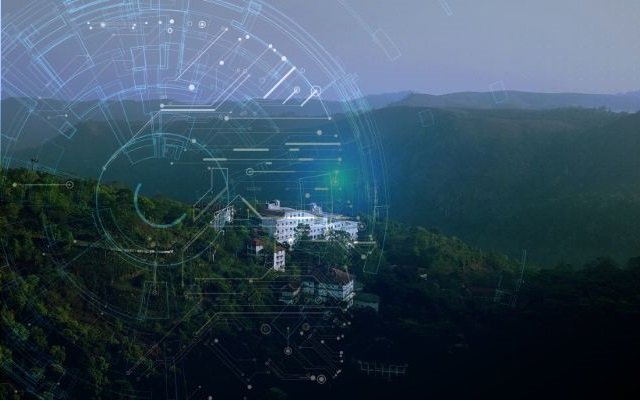
best colleges for BCA in Kerala

Positive Impacts of IT on the Environment

  • Paperless Communication: The use of emails, cloud storage, and online documents has reduced paper consumption and deforestation.
  • Smart Systems: IT enables energy-efficient technologies such as smart grids and automated lighting, reducing electricity usage.
  • Environmental Monitoring: Satellites and sensors powered by IT help track climate change, pollution, and natural disasters accurately.
  • Virtual Work and Learning: Online education and remote work reduce travel-related carbon emissions.


Negative Impacts of IT on the Environment

  • E-Waste: The rapid disposal of outdated gadgets contributes to electronic waste, which harms the ecosystem.
  • Energy Consumption: Data centers and IT infrastructures consume large amounts of electricity, contributing to greenhouse gas emissions.
  • Resource Depletion: The production of electronic devices requires rare minerals, leading to environmental exploitation.


Green IT – A Sustainable Approach

  • Definition: Green IT refers to practices that make technology environmentally friendly.
  • Techniques: Includes recycling electronic components, using renewable energy, and promoting energy-efficient devices.
  • Goal: To minimize the ecological footprint of IT while maintaining technological progress.


Role of Education in Promoting IT and Environmental Awareness

  • Academic institutions play a crucial role in teaching sustainable IT practices. Many of the best colleges for BCA in Kerala also integrate sustainability-focused IT learning into their programs.
  • Students learn how to balance technological advancement with environmental protection.
  • The best BCA college in Kerala is DCSMAT Vagamon, which integrates environmental awareness with IT education.
  • DCSMAT Vagamon provides modern infrastructure, expert faculty, and practical exposure to eco-friendly IT solutions, preparing students to be responsible professionals.


Conclusion

There is a close relationship between IT and the environment.  Although technology can provide ecological hazards, it also provides effective means of reducing them.  Future technologists will be able to use IT to build a more intelligent, environmentally friendly, and sustainable society through sustainable practices and high-quality education at schools like DCSMAT Vagamon.