Author: Ar.Muneer Konthalam Assistant Professor, DC School of Architecture and Design, Vagmon.
Introduction
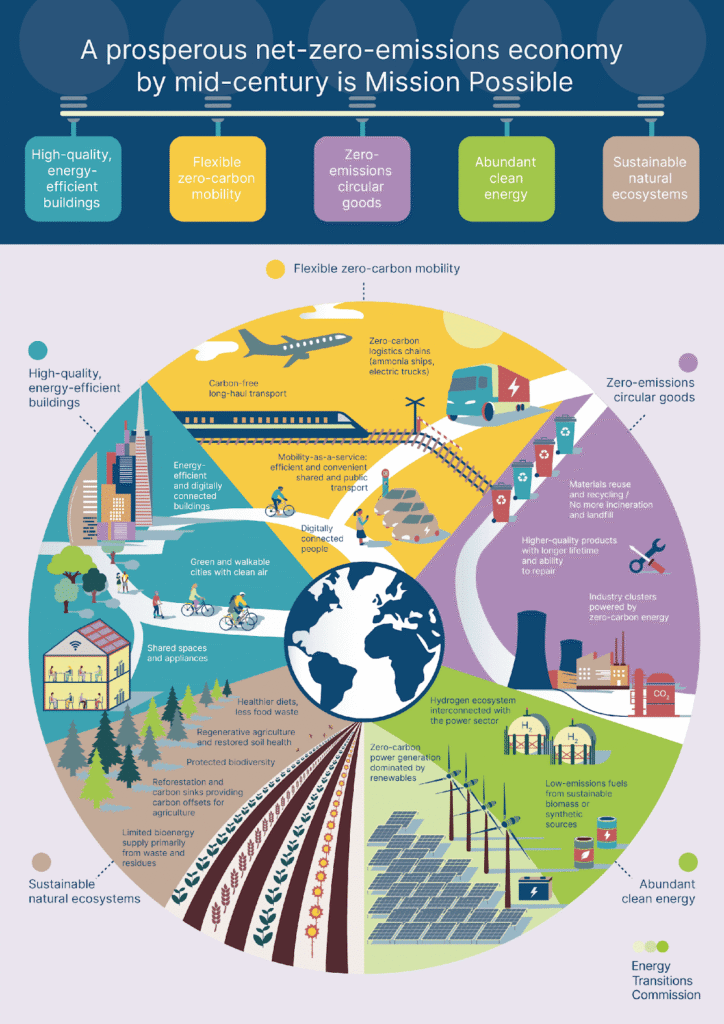
The pursuit of zero carbon emissions in high-rise buildings involves designing, constructing, and operating tall structures with a net-zero impact on greenhouse gas emissions—particularly carbon dioxide. Given that the building sector is responsible for nearly 40% of global energy use and a significant share of carbon emissions, addressing sustainability in vertical structures is paramount. High-rises, due to their massive energy needs and material consumption, pose distinct challenges but also offer unique opportunities for pioneering sustainable solutions. Attaining net-zero emissions in such buildings requires an integrated approach involving energy optimization, the use of renewables, sustainable materials, and progressive policies. This article outlines the necessity, hurdles, innovations, and real-world adaptations of zero-carbon high-rise buildings.
Why Zero Carbon High-Rises Matter
High-rise buildings are integral to contemporary cityscapes, supporting dense populations and acting as epicentres of economic, academic, and commercial activity. However, these structures consume vast amounts of energy for functions like vertical mobility, temperature regulation, and illumination. Additionally, their construction embeds a significant quantity of carbon due to high-impact materials such as cement and steel.
Key reasons to prioritize zero-carbon tall buildings include:
- Reducing Urban Emissions: High-rises dominate city skylines, and decarbonizing them can dramatically cut urban GHG outputs.
- Optimizing Energy Use: These structures are among the largest consumers of urban electricity, making them ideal candidates for energy conservation.
- Sustainable City Planning: They serve as scalable examples for climate-conscious urban development.
- Compliance and Market Relevance: With global climate commitments aiming for net-zero by mid-century, zero-carbon buildings offer long-term viability, value, and regulatory alignment.
Barriers to Zero Carbon in Tall Structures
- Despite growing awareness and technological advancements, high-rise buildings still encounter several roadblocks on the path to net-zero emissions:
- Elevated Energy Needs: Systems for ventilation, vertical transport, and internal climate control are highly energy-intensive.
- Design Limitations: Rooftop areas and structural constraints limit the implementation of on-site renewable systems.
- Material-Embedded Carbon: Core construction materials like concrete and steel have high carbon footprints.
- Investment and Expertise Gaps: Green technologies often entail higher initial costs and require specialized knowledge.
- Policy Mismatches: Inconsistent definitions and inadequate regional incentives can slow down sustainable transitions.
Design and Technological Innovations for Carbon Neutrality
Achieving zero carbon in high-rises necessitates the mitigation of both operational emissions (from energy use) and embodied emissions (from materials). The following strategies are integral to this objective:
- Maximizing Energy Efficiency
- High-Performance Envelopes: Use of advanced thermal insulation and triple-glazed windows to manage interior climate with minimal energy input.
- Efficient HVAC Systems: Incorporating systems like chilled beams and heat recovery ventilation that consume less energy.
- Smart Controls: Real-time data-driven building automation systems adjust lighting, temperature, and ventilation based on usage.
- Natural Climate Solutions: Leveraging cross-ventilation, atriums, and passive cooling to reduce dependency on mechanical systems.
- Harnessing Renewable Energy
- Photovoltaic Integration: BIPVs (Building-Integrated Photovoltaics) allow solar generation even on vertical surfaces.
- Urban Wind Use: Where feasible, micro-wind turbines can supplement energy needs.
- District-Level Utilities: Tapping into city-wide geothermal or solar heating/cooling grids.
- On-site Generation Mix: Combining solar, wind, or geothermal energy sources tailored to site conditions.
- Reducing Embodied Carbon
- Engineered Timber: Using CLT (Cross-Laminated Timber) reduces reliance on concrete and steel, while storing atmospheric carbon.
- Recycled Inputs: Utilizing secondary-use steel or aggregates helps minimize production emissions.
- Innovative Concrete: Employing green concrete variants infused with SCMs or CO₂ curing processes.
- Standards and Policy Support
- Certification Frameworks: Protocols like LEED Zero, CAGBC ZCB, and BREEAM Zero Carbon offer structured pathways for compliance.
- Government Support: Incentives such as tax relief, subsidies, or preferential loans support developers in green transitions.
- Regulatory Enforcements: Legislative frameworks such as the EU’s EPBD mandate all new buildings to be zero-emission from 2030 onward.
- Smart Grid Integration
- Responsive Load Management: Dynamic systems reduce power draw during peak grid loads.
- Energy Storage Solutions: Integration of battery or thermal storage allows renewable energy retention for later use.
A leading example of sustainability in education is the DC School of Architecture and Design (DCSAAD), Vagamon, widely regarded as one of the best architecture schools in Kerala. The institution has embraced green initiatives that mirror the principles of zero-carbon development. The campus operates as a model of eco-consciousness with zero plastic policies, the adoption of renewable energy systems, and advanced wastewater recycling methods. These initiatives not only reduce the environmental footprint of the campus but also serve as a living laboratory for architectural students, reinforcing the importance of sustainable design and responsible development practices in real-world applications.
Conclusion
Transitioning high-rise buildings toward zero carbon emission is both a formidable challenge and a crucial necessity in today’s climate-driven era. Through synergizing cutting-edge technology, sustainable materials, responsive design, and policy innovation, these towering structures can evolve into flagships of environmental responsibility. As cities continue to grow vertically, the vision of a carbon-neutral skyline becomes not only desirable but essential.