

Ar. Stenisla Merlin Shaji; B.Arch, M.Plan; Assistant Professor, Department of Architecture, DC School of Architecture and Planning, Trivandrum
Abstract
Adaptive reuse has emerged as a transformative trend in architecture, historical preservation, and sustainability. By repurposing old buildings for new functions, architects address urban challenges, reduce environmental impact, and meet growing demands for affordable housing and commercial spaces. This approach preserves the historical integrity while revitalizing the built environment. Adaptive reuse presents opportunities for exploring solutions to real-world problems while engaging with sustainable design practices. The article explores the significance of adaptive reuse, its environmental advantages, and its growing influence in architectural education and practice.
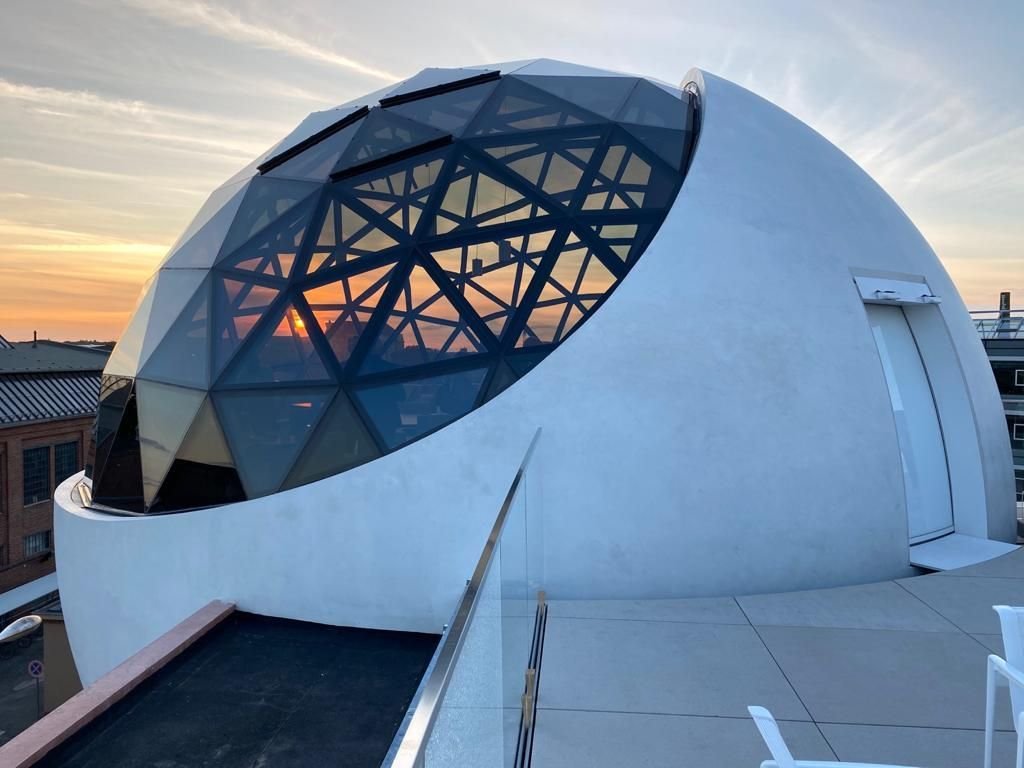
In the evolving realm of architecture, adaptive reuse has become a significant trend, transforming how we engage with existing structures. This approach goes beyond preservation; it combines sustainability, creativity, and respect for historical layers within our built environment. For architecture students and professionals alike—including those studying in leading B Arch colleges in Kerala— mastering adaptive reuse opens up exciting opportunities for innovative design. Adaptive reuse involves repurposing buildings for new functions, evolving from its historic preservation roots into a cornerstone of contemporary architecture. It addresses urban challenges like sprawl, environmental impact, and the demand for affordable housing and commercial spaces. As urban landscapes change, adaptive reuse allows us to retain the historical essence of older buildings while meeting modern needs.
A major driving force behind the movement of adaptive reuse is its environmental advantage, as the construction industry is a leading contributor to carbon emissions and landfill waste. Renovating existing structures minimizes the demand for new materials and reduces the energy required for new builds, resulting in a smaller carbon footprint compared to new constructions. This approach allows architecture students to integrate eco-friendly principles into their designs while delivering aesthetically compelling and functional spaces.
Additionally, adaptive reuse brings distinctive character to projects. Older buildings carry rich histories that inspire innovative design solutions. Their textures and narratives infuse spaces with depth that is often difficult to replicate in new developments. For architects, incorporating these historical elements into modern designs fosters emotional connections with occupants. However, adaptive reuse presents challenges, such as structural limitations and complex zoning regulations. Success requires technical skill, creative flexibility, and collaboration with conservationists, city planners, and communities. Effective communication and inventive thinking are vital in navigating these constraints. The rise of adaptive reuse also offers exciting opportunities for architectural education, allowing students to tackle real-world design challenges and build robust portfolios.
In summary, this movement respects the past while shaping a sustainable future, revitalizing old buildings, and fostering innovative design practices and community connections. It encourages architects to rethink how we build, live, and honour our surrounding spaces.
Bibliography
New Studio Architecture. (2023, April 17). Adaptive reuse: A strategy for holding history and carbon.
U.S. Environmental Protection Agency. (2024, March 13). Sustainable adaptive reuse: Preserving historic architecture.
Kaarwan. (2024, November 23). Legal and regulatory considerations in adaptive reuse projects.
Takva, Yenal & Takva, Çağatay & İlerisoy, Zeynep Yeşim. (2023). Sustainable Adaptive Reuse Strategy Evaluation for Cultural Heritage Buildings. International Journal of Built Environment and Sustainability.