

Author: Ar. Thomas Mathew, Assistant Professor, DC School of Architecture and Design, Vagamon
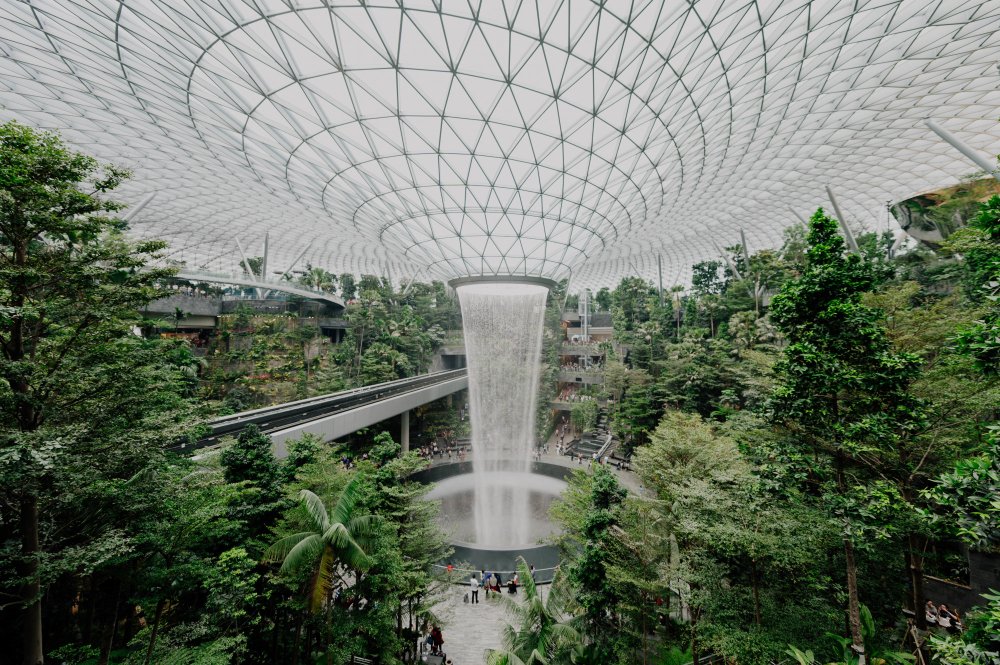
Historically, urban green spaces have been treated primarily as passive amenities—aesthetic counterpoints to the built environment, places for recreation, or simple visual relief. While these functions are valuable, this perception limits the landscape’s potential, viewing it as a segregated entity rather than an active infrastructural component. In a rapidly urbanizing world where cities face compounding crises of flooding, pollution, and biodiversity loss, it is no longer sufficient for urban landscapes to merely exist; they must actively perform. The critical gap in contemporary design practice is the failure to shift from designing decorative greenery to engineering bio-integrated urban systems capable of delivering measurable ecological services.
The future of sustainable cities lies in dissolving the boundary between architecture, engineering, and ecology. An active bio-integrated urban system views soil, plants, water, and fauna as coordinated, high-performance assets. The design mandate shifts to measurable outputs: how much water is filtered by a bioswale, how much air pollution is captured by a street canopy, or how many pollinator species are supported by a rooftop garden. This re-engineering requires architects and landscape designers to collaborate using ecological data and performance metrics rather than just aesthetic principles.
This approach aligns with global movements promoting Nature-Based Solutions (NBS), which leverage natural processes to address urban challenges. By integrating ecology as infrastructure, we transform landscapes from liabilities (areas requiring irrigation and maintenance) into assets (systems providing clean air, flood mitigation, and cooling).
At DC School of Architecture, a progressive design studio focuses on training students to design urban projects that seamlessly integrate high-performance ecological systems. The curriculum unfolds through five systematic phases:
By adopting this phased methodology, the DC School of Architecture is training a new generation of architects who are fluent in ecological metrics and bio-engineering. This process bridges the divide between decorative “green design” and genuine ecological performance, ensuring that graduates view the landscape as a vital, active infrastructural partner in the creation of resilient, habitable, and sustainable urban environments.